





Imagine this: You have just finished renovating your dream living room. The walls are a perfect shade of muted beige, the sleek furniture is positioned just right, and warm, minimalist lighting illuminates the space. Yet, as you step back to admire it, something feels missing-a pop of color, a story, perhaps a layer of soulful protection.
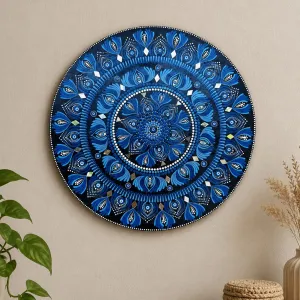
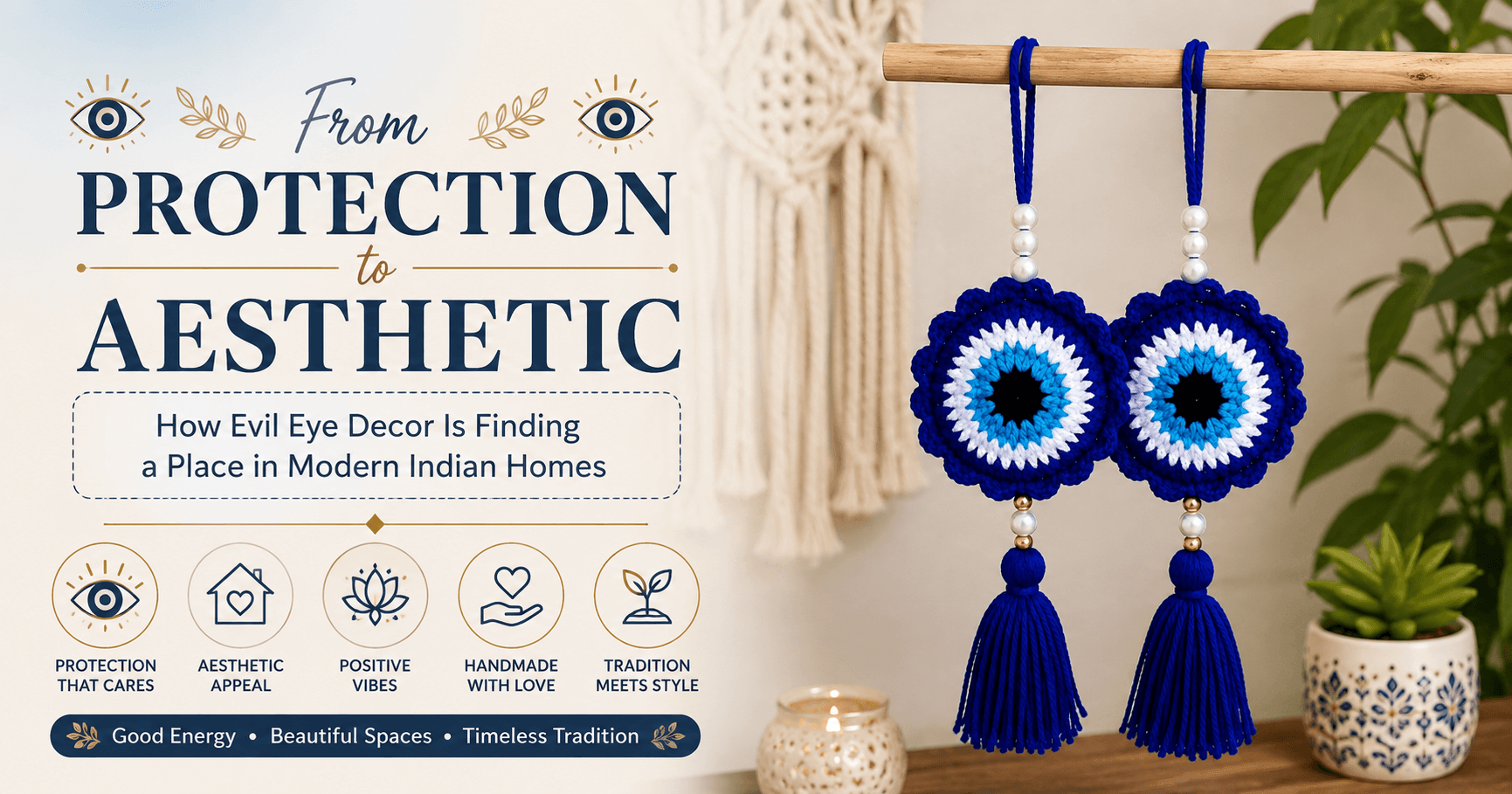
Enter the striking, cobalt blue concentric circles that seem to be everywhere right now.
For decades, we Indians have been intimately familiar with the concept of Nazar. We have grown up seeing the black kohl dot behind a baby’s ear, the hanging lemon-and-chilli (nimbu-mirchi) outside new shops, and the ominous clay Nazar Battu masks fixed above the main doors of relative's houses.
But a shift is happening in 2026. The traditional, sometimes fearful methods of warding off the evil eye are being reimagined. The ancient talisman has stepped out of the shadow of superstition and into the light of modern interior design. Today, Evil Eye Decor is having a massive moment in Indian homes, blending our deep-rooted belief systems with contemporary style.
Here is a look at how this iconic symbol is navigating the journey from pure protection to becoming a sleek, aesthetic staple.
1. The Cultural Pulse: Why India Connects with the Evil Eye
The belief in Nazar cuts across religions, regions, and languages in India. It is rooted in the ancient understanding that a jealous glance or an envious glare from others-even unintentionally-can cause misfortune, bad luck, or illness.
Historically, these evil eye remedies were functional but rarely stylish. They were something you hid, tied with a black thread, or hung crudely outside.
The modern evil eye home decor movement honors this core belief but updates the delivery. Young Indian homeowners are still deeply conscious of protecting their sanctuary, but they also want their homes to look curated and beautiful. They are moving away from fear-based symbols and embracing the symbol as a protective guardian that watches back, allowing them to celebrate their achievements without anxiety.
2. The Aesthetic Shift: From Talisman to Art Piece
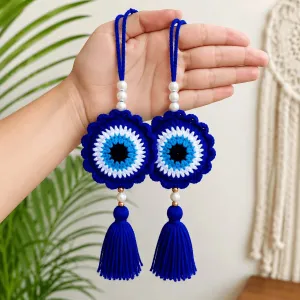
The primary reason Evil Eye Decor is thriving in 2026 is its sheer versatility. The traditional dark blue, white, light blue, and black color palette adds an automatic touch of Mediterranean style home decor to any room-an interior trend that continues to dominate Indian apartments.
Indian designers and artisans are now translating this symbol into various sophisticated forms:
Enter the striking, cobalt blue concentric circles that seem to be everywhere right now.
For decades, we Indians have been intimately familiar with the concept of Nazar. We have grown up seeing the black kohl dot behind a baby’s ear, the hanging lemon-and-chilli (nimbu-mirchi) outside new shops, and the ominous clay Nazar Battu masks fixed above the main doors of relative's houses.
But a shift is happening in 2026. The traditional, sometimes fearful methods of warding off the evil eye are being reimagined. The ancient talisman has stepped out of the shadow of superstition and into the light of modern interior design. Today, Evil Eye Decor is having a massive moment in Indian homes, blending our deep-rooted belief systems with contemporary style.
Here is a look at how this iconic symbol is navigating the journey from pure protection to becoming a sleek, aesthetic staple.
1. The Cultural Pulse: Why India Connects with the Evil Eye
The belief in Nazar cuts across religions, regions, and languages in India. It is rooted in the ancient understanding that a jealous glance or an envious glare from others-even unintentionally-can cause misfortune, bad luck, or illness.
Historically, these evil eye remedies were functional but rarely stylish. They were something you hid, tied with a black thread, or hung crudely outside.
The modern evil eye home decor movement honors this core belief but updates the delivery. Young Indian homeowners are still deeply conscious of protecting their sanctuary, but they also want their homes to look curated and beautiful. They are moving away from fear-based symbols and embracing the symbol as a protective guardian that watches back, allowing them to celebrate their achievements without anxiety.
2. The Aesthetic Shift: From Talisman to Art Piece
The primary reason Evil Eye Decor is thriving in 2026 is its sheer versatility. The traditional dark blue, white, light blue, and black color palette adds an automatic touch of Mediterranean style home decor to any room-an interior trend that continues to dominate Indian apartments.
Indian designers and artisans are now translating this symbol into various sophisticated forms:
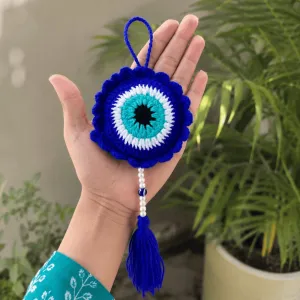
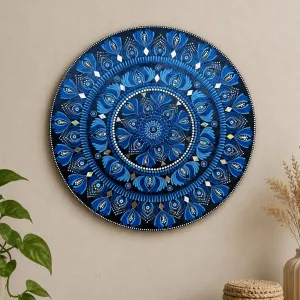
- Evil Eye Wall Hangings: Moving beyond crude glass beads, these are now available in minimalist macrame designs, sculpted ceramics, engraved wood, and even sleek brass finishes. An evil eye wall hanging acts as a stunning focal point, replacing traditional artwork with something meaningful.
- Aesthetic Coasters & Crockery: Subtle eye motifs on coffee mugs, dining plates, and high-end coasters bring protection to the dining table.
- Textiles & Cushions: Woven textures on throw pillows and rugs feature subtle eye designs, adding a boho-chic vibe.
- Evil Eye Dreamcatchers: A fusion of Native American and Mediterranean styles, perfect for bedrooms to promote peaceful sleep.
This evolution means you no longer have to sacrifice the "vibe" of your living room to keep it protected from Nazar dosh.
3. The Power of Blue: Psychology and Vastu Significance
The iconic blue color of the traditional Turkish Nazar Boncugu isn’t arbitrary. In color psychology, blue represents calmness, trust, and intelligence. It is a color that soothes the eye and the spirit.
In Indian homes, where Vastu Shastra often guides placement, the blue of the Evil Eye Decor offers an interesting layer of harmony. Blue is associated with the element of water (in North/North-East Vastu zones) and represents peace and stability.
Many people are choosing modern evil eye remedies for home not just to ward off envy, but because the blue accents bring a serene, water-like tranquility into spaces that are often chaotic.
4. How to Place Evil Eye Decor for Maximum Style and Positive Vibes
Gifting or buying spiritual wall art can be confusing. For Indian homes, the main gate or living area is often the preferred choice. Here are a few curated ideas for modern placement:
A. The Vibe Filter at the Main Entrance
The most potent place to hang an evil eye talisman is at your entryway. Placed above or beside the main door, it acts as a "vibe filter," absorbing and deflecting any envy or negative energy from guests or passersby before they enter your sanctuary. Swap the traditional Nimbu-Mirchi with a sleek brass-and-ceramic eye piece for a more polished first impression.
B. Absorbing Social Envy in the Living Room
Your living room is where most social interactions happen. It is where you celebrate birthdays, show off renovations, and share moments. Naturally, this space can become a hotspot for varied emotional energies. Place a beautifully framed evil eye protection art piece on the North or East wall, or use subtle coasters on your coffee table.
C. Protecting Dreams in the Bedroom or Office
For peace and harmony, a minimalist evil eye wall hanging can be placed near windows in the bedroom to keep emotional balance. In a home office, it helps deflect "Zoom competition" or negative digital energy, promoting focus and career stability.
Final Thoughts
Our homes are more than just four walls and a roof; they are reflections of our souls, our heritage, and our safe havens. The surge of Evil Eye Decor in modern Indian interiors is a testament to our ability to honor our ancient beliefs while embracing future aesthetics.
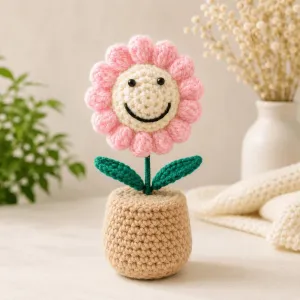
By incorporating this symbol-whether through a bold piece of wall art or a subtle 2 in 1 rose flower doll with an eye motif-you are not just keeping Nazar away; you are welcoming a story of timeless style, global connection, and mindful protection into your sanctuary.
3. The Power of Blue: Psychology and Vastu Significance
The iconic blue color of the traditional Turkish Nazar Boncugu isn’t arbitrary. In color psychology, blue represents calmness, trust, and intelligence. It is a color that soothes the eye and the spirit.
In Indian homes, where Vastu Shastra often guides placement, the blue of the Evil Eye Decor offers an interesting layer of harmony. Blue is associated with the element of water (in North/North-East Vastu zones) and represents peace and stability.
Many people are choosing modern evil eye remedies for home not just to ward off envy, but because the blue accents bring a serene, water-like tranquility into spaces that are often chaotic.
4. How to Place Evil Eye Decor for Maximum Style and Positive Vibes
Gifting or buying spiritual wall art can be confusing. For Indian homes, the main gate or living area is often the preferred choice. Here are a few curated ideas for modern placement:
A. The Vibe Filter at the Main Entrance
The most potent place to hang an evil eye talisman is at your entryway. Placed above or beside the main door, it acts as a "vibe filter," absorbing and deflecting any envy or negative energy from guests or passersby before they enter your sanctuary. Swap the traditional Nimbu-Mirchi with a sleek brass-and-ceramic eye piece for a more polished first impression.
B. Absorbing Social Envy in the Living Room
Your living room is where most social interactions happen. It is where you celebrate birthdays, show off renovations, and share moments. Naturally, this space can become a hotspot for varied emotional energies. Place a beautifully framed evil eye protection art piece on the North or East wall, or use subtle coasters on your coffee table.
C. Protecting Dreams in the Bedroom or Office
For peace and harmony, a minimalist evil eye wall hanging can be placed near windows in the bedroom to keep emotional balance. In a home office, it helps deflect "Zoom competition" or negative digital energy, promoting focus and career stability.
Final Thoughts
Our homes are more than just four walls and a roof; they are reflections of our souls, our heritage, and our safe havens. The surge of Evil Eye Decor in modern Indian interiors is a testament to our ability to honor our ancient beliefs while embracing future aesthetics.
By incorporating this symbol-whether through a bold piece of wall art or a subtle 2 in 1 rose flower doll with an eye motif-you are not just keeping Nazar away; you are welcoming a story of timeless style, global connection, and mindful protection into your sanctuary.