



Discovering Aipan Art: History, Meaning, and Cultural Significance
If you ever travel through the scenic, mist-covered hills of Kumaon in Uttarakhand, India, you will notice something magical right at the doorsteps of the local homes. Intricate, geometric patterns painted in bright white contrast beautifully against a rich, brick-red background.
This isn't just random decoration—this is Aipan Art, one of India's oldest, most sacred, and culturally rich folk art forms.
But what exactly is Aipan? Where did it come from, and why is it so significant? Let’s dive deep into the world of this traditional Himalayan art.
What is Aipan Art?
At its core, Aipan (pronounced Aye-pan) is a traditional ritualistic folk art originating from the Kumaon region of Uttarakhand. Derived from the Sanskrit word Lepan, which means "to plaster," Aipan is a form of ritual graffiti or floor painting traditionally done by the women of the household (known as Aipani).
The Authentic Canvas and Colors
True Aipan uses only two primary colors, each carrying a deep symbolic meaning:
If you ever travel through the scenic, mist-covered hills of Kumaon in Uttarakhand, India, you will notice something magical right at the doorsteps of the local homes. Intricate, geometric patterns painted in bright white contrast beautifully against a rich, brick-red background.
This isn't just random decoration—this is Aipan Art, one of India's oldest, most sacred, and culturally rich folk art forms.
But what exactly is Aipan? Where did it come from, and why is it so significant? Let’s dive deep into the world of this traditional Himalayan art.
What is Aipan Art?
At its core, Aipan (pronounced Aye-pan) is a traditional ritualistic folk art originating from the Kumaon region of Uttarakhand. Derived from the Sanskrit word Lepan, which means "to plaster," Aipan is a form of ritual graffiti or floor painting traditionally done by the women of the household (known as Aipani).
The Authentic Canvas and Colors
True Aipan uses only two primary colors, each carrying a deep symbolic meaning:
- Geru (Red Clay): The floor or wall is first plastered with a wet mixture of local red clay. This symbolizes the earth and fertility.
- Biswar (White Rice Paste): The intricate designs are painted over the red base using a paste made from soaked and ground rice. The white color symbolizes purity, peace, and prosperity.
Fun Fact: Traditionally, Aipan is painted using only the three fingers of the right hand—the forefinger, middle finger, and ring finger. No brushes are used!
The History and Origins of Aipan
The history of Aipan is woven into the ancient roots of the Kumaon hills. While it is difficult to pinpoint an exact century of its origin, text and oral traditions suggest it flourished during the Chand Dynasty (which ruled Kumaon from the 10th to the 18th century).
Historically, Aipan was not just a hobby; it was a sacred duty passed down orally and practically from mothers to daughters. It served as a visual language of prayers, keeping evil spirits away and inviting deities into the home.
Deep Meaning and Symbolism
Aipan is highly structured. It is not just about drawing random lines; every dot, curve, and geometric shape holds a specific cosmic meaning.
The Use of Dots and Lines
An authentic Aipan design always starts from the center and moves outward.
The History and Origins of Aipan
The history of Aipan is woven into the ancient roots of the Kumaon hills. While it is difficult to pinpoint an exact century of its origin, text and oral traditions suggest it flourished during the Chand Dynasty (which ruled Kumaon from the 10th to the 18th century).
Historically, Aipan was not just a hobby; it was a sacred duty passed down orally and practically from mothers to daughters. It served as a visual language of prayers, keeping evil spirits away and inviting deities into the home.
Deep Meaning and Symbolism
Aipan is highly structured. It is not just about drawing random lines; every dot, curve, and geometric shape holds a specific cosmic meaning.
The Use of Dots and Lines
An authentic Aipan design always starts from the center and moves outward.
- The Center Dot: Represents the universe or the supreme deity.
- The Lines: Represent the boundaries of the physical world.
- The Finishing Dots: An Aipan pattern is considered incomplete without dots. A design without dots is traditionally associated with grief or mourning. Adding dots symbolizes that the prayer is complete and fruitful.
Cultural Significance: More Than Just Art
In Uttarakhand, Aipan is synonymous with auspicious beginnings. It is an integral part of birth ceremonies, marriages, Janeu (sacred thread ceremonies), and festivals like Diwali and Makar Sankranti.
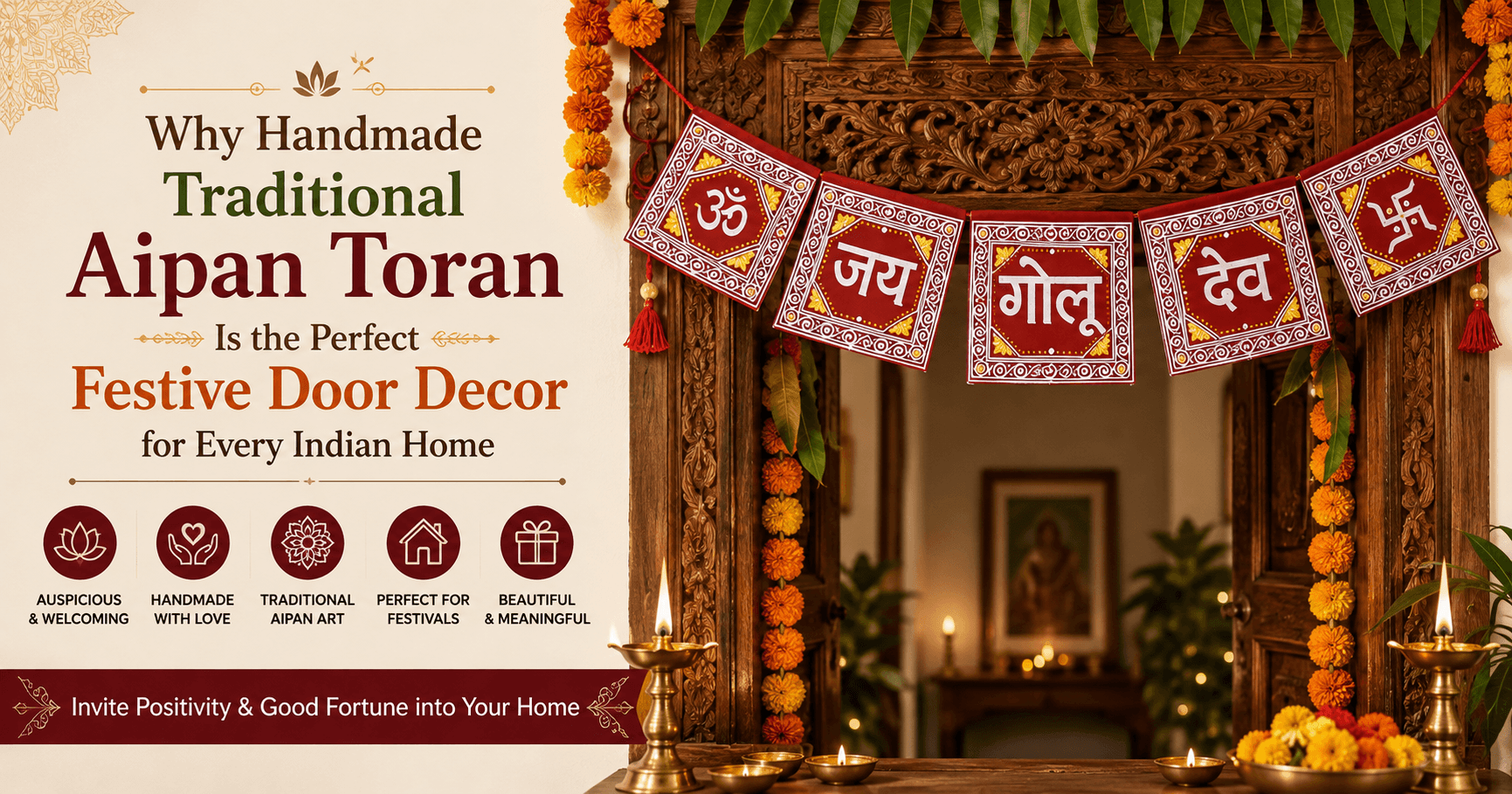
- A Threshold of Welcome: In Kumaoni culture, a bare doorstep is considered a sign of neglect. Painting Aipan at the entrance is a way of saying, "Our home is pure, and all positive energies are welcome here."
- A Symbol of Women's Empowerment: Historically, Aipan gave Kumaoni women a powerful medium of creative expression and a central role in religious rituals.
Aipan Art in the Modern Era: Challenges and Revival
Like many traditional art forms, Aipan faced the threat of fading away due to urbanization and the availability of cheap, plastic, ready-made floor stickers.
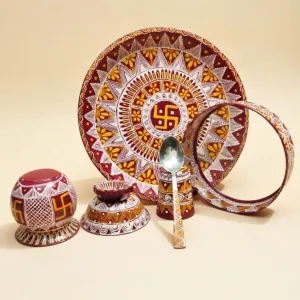
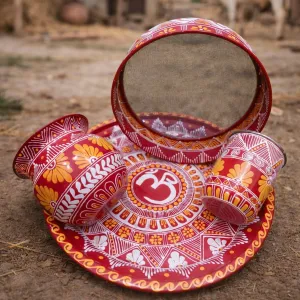
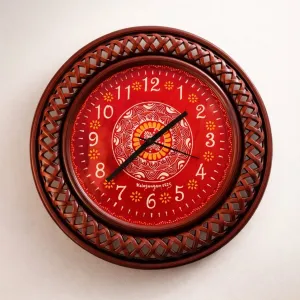
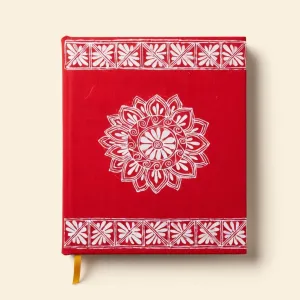
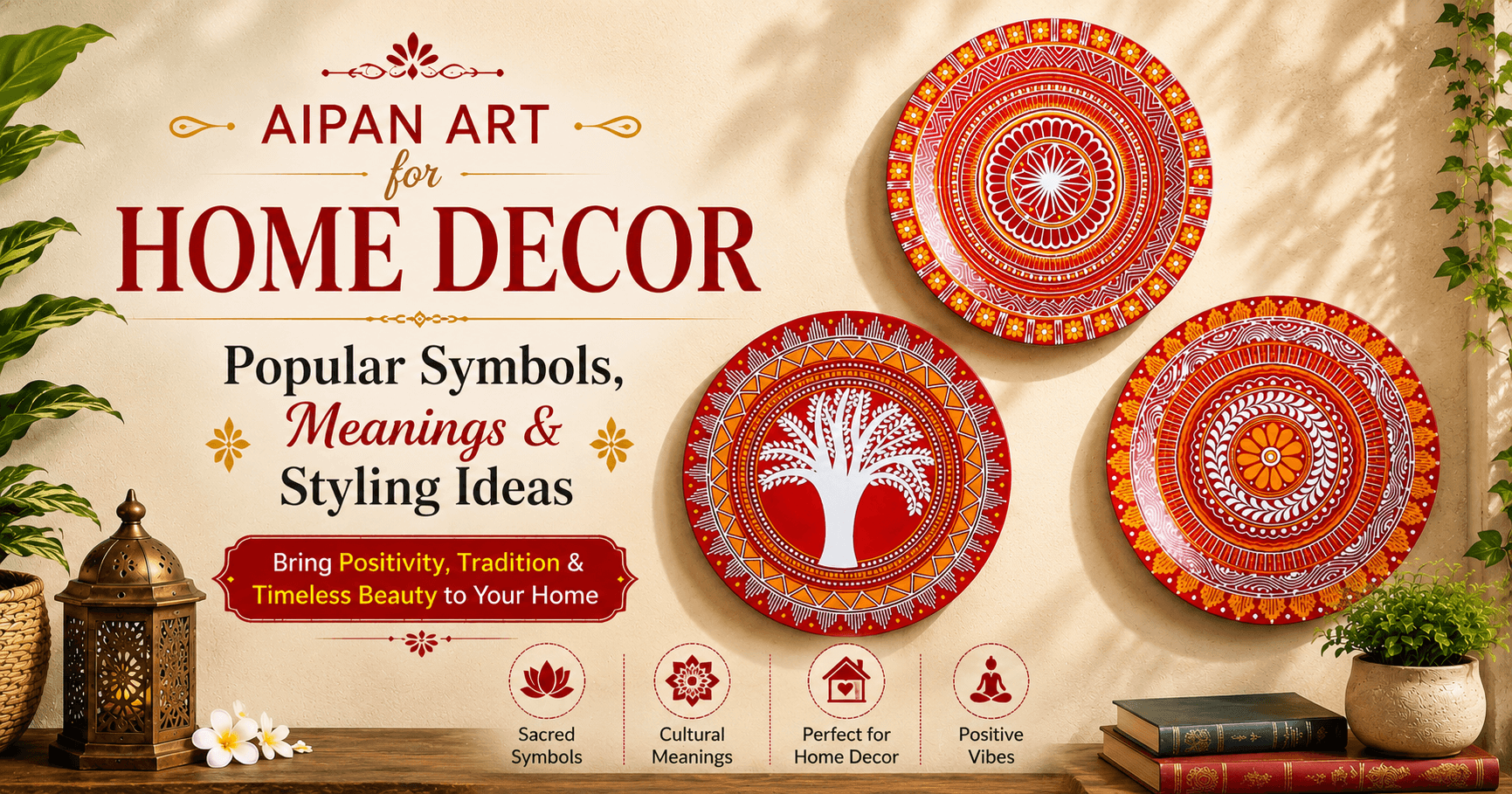
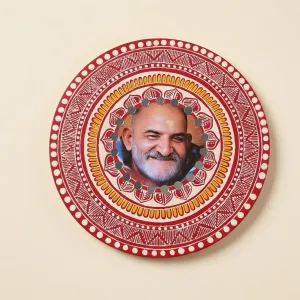
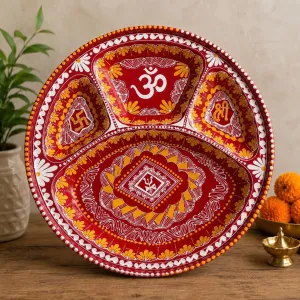
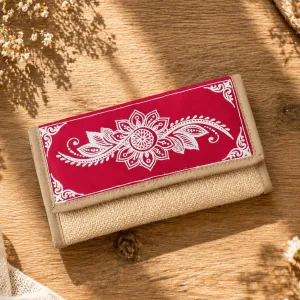
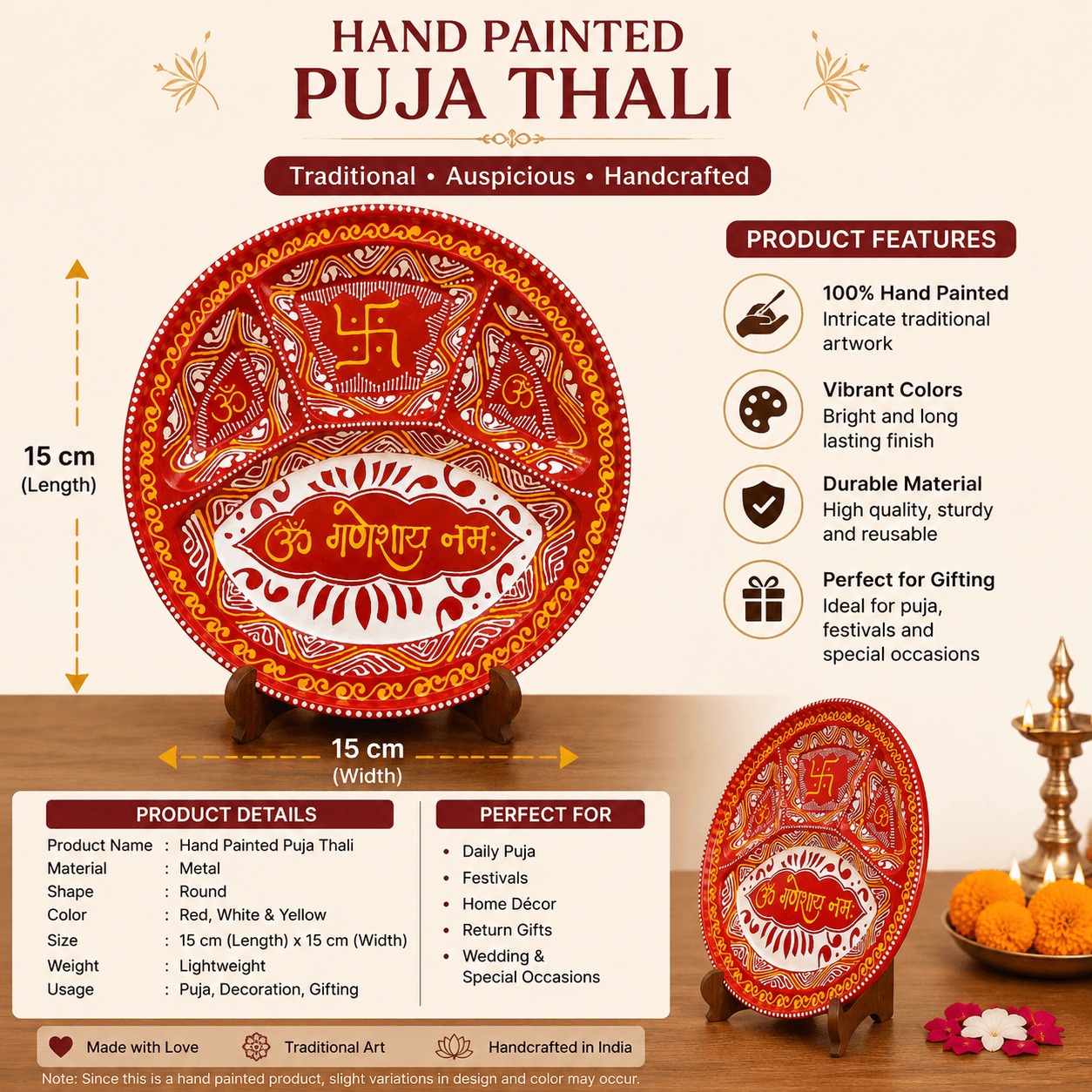
However, a beautiful revival is happening. Today, Aipan is breaking free from just floors and walls. Modern artists and local entrepreneurs are adapting the art onto:
Like many traditional art forms, Aipan faced the threat of fading away due to urbanization and the availability of cheap, plastic, ready-made floor stickers.
However, a beautiful revival is happening. Today, Aipan is breaking free from just floors and walls. Modern artists and local entrepreneurs are adapting the art onto:
- Canvas paintings and wall hangings
- Wooden nameplates, keyholders, and coasters
- Souvenirs, bookmarks, and clothing
Furthermore, Aipan has been granted the Geographical Indication (GI) Tag, which legally protects its unique heritage and recognizes Uttarakhand as its true place of origin. This has given a massive boost to local artisans.
Conclusion: Preserving the Sacred Geometry of the Hills
Aipan Art is a beautiful reminder of a time when art, nature, and spirituality lived in perfect harmony. It is not just paint on a surface; it is a visual prayer, a mother's blessing, and the beating heart of Kumaon’s cultural identity.
By supporting local artisans and bringing a piece of Aipan into our modern homes, we don't just decorate a space—we keep a centuries-old Himalayan legacy alive.
Conclusion: Preserving the Sacred Geometry of the Hills
Aipan Art is a beautiful reminder of a time when art, nature, and spirituality lived in perfect harmony. It is not just paint on a surface; it is a visual prayer, a mother's blessing, and the beating heart of Kumaon’s cultural identity.
By supporting local artisans and bringing a piece of Aipan into our modern homes, we don't just decorate a space—we keep a centuries-old Himalayan legacy alive.