




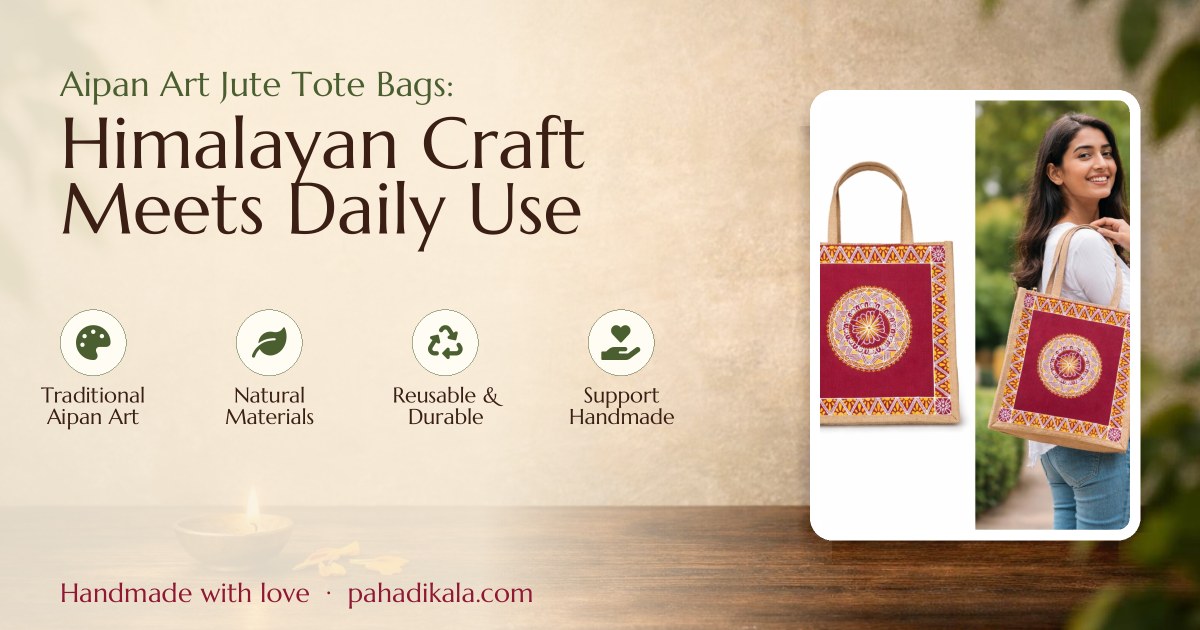
There's something nice about carrying a bag that actually has a story painted on it, even if you only know part of that story. That's how I felt looking at these jute tote bags, the red and white Aipan ones especially. The patterns aren't random. They come from an actual folk art tradition, and the jute itself has its own quiet history as a material people in India have relied on for generations. This article is about both of those things, the art and the fabric, and how they end up on a bag you might carry to the office or hand to a friend as a gift.
What Aipan Art Actually Is
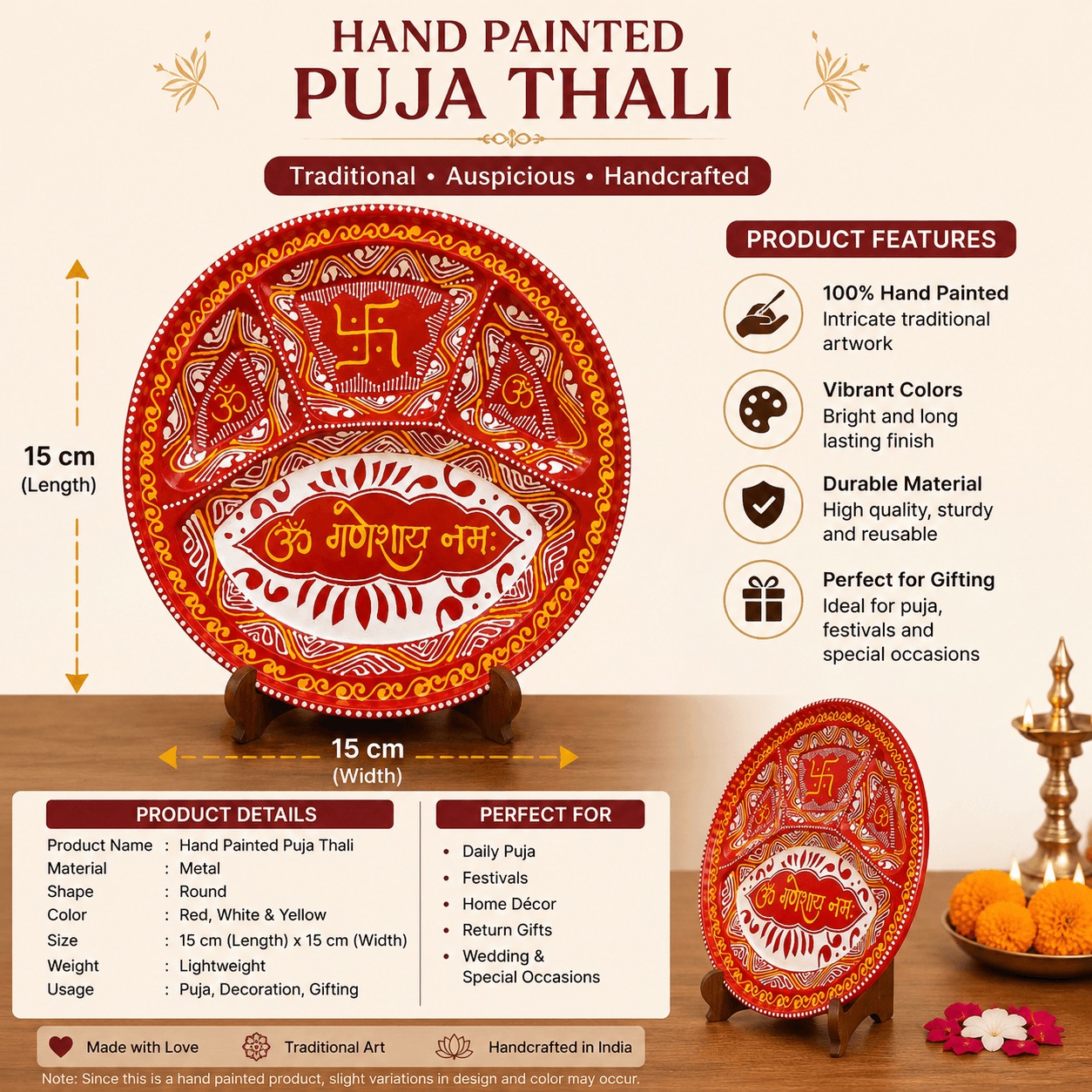
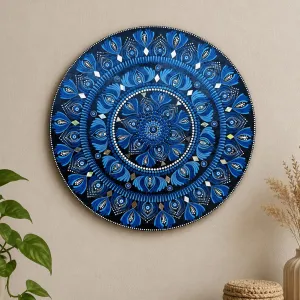
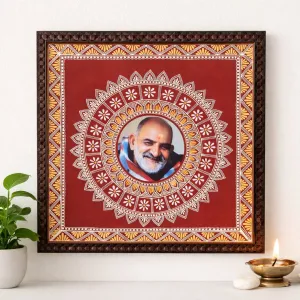
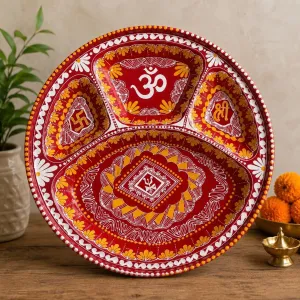
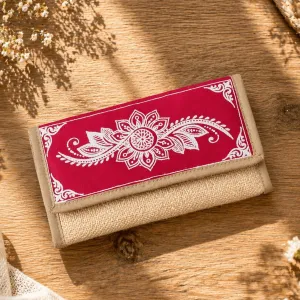
Aipan is a folk art associated with the Kumaon region of Uttarakhand. Traditionally it's made on floors, walls, and courtyards, usually during festivals or rituals, using a red ochre base with designs drawn in white. The motifs tend to be geometric, often built around circular or mandala-like patterns, sometimes with dots, lines, and symmetrical shapes repeated outward from a center point. It's considered a ritual art in its original form, not just decoration, though over time the visual style has also made its way onto other surfaces and products outside its original ritual context. The Aipan Art Jute Tote Bag in this collection follows that same red and white language, with the base hand-painted red and the mandala artwork done in white and yellow. It's a translation of a wall and floor tradition onto fabric, and whether or not you know the backstory, the visual pattern itself is instantly recognizable once you've seen it before.
The Pahadi Aipan Maroon Jute Carry Bag takes a slightly different route. Instead of a painted mandala, it uses a white traditional and floral block print over a maroon jute base. Block printing and hand painting are different techniques, but both are ways of putting a Pahadi visual identity onto a plain fabric surface, and both end up looking distinctly handmade rather than machine uniform.
Why Jute Works Well for a Bag Like This
Jute is a natural plant fiber, and it's been used in India for a long time to make everything from sacks to rugs to rope. It's sturdy, it's biodegradable, and it has a slightly coarse, fibrous texture that actually suits hand-painted or block-printed designs quite well because the color sits on it in a way that feels earthy rather than glossy. The two Aipan bags here are both made from natural jute, and both come in a 14 x 14 inch size, which is a practical, everyday carry size, big enough for books or shopping essentials without being bulky. The Pahadi Aipan Maroon bag is a bit larger at 36 cm (roughly 30 x 30), which gives it more room for a bigger shopping trip or a day at college or the office. All three jute bags are described as reusable and eco-friendly, with sturdy or strong handles meant for regular use rather than occasional display.
Jute bags like these are also part of a broader shift happening in a lot of households right now, away from single-use plastic and toward fabric bags you can use again and again. That's not a Pahadi-specific trend, it's a general one, but it does mean a hand-painted jute tote ends up doing double duty: it's a reusable shopping bag and a small piece of art at the same time.
Shop This Look
 Handcrafted Aipan Art Jute Tote Bag – 14 x 14 Inch
₹349.00
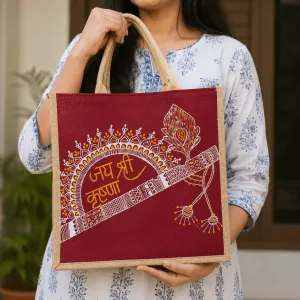 Hand Painted Jai Shri Krishna Jute Tote Bag | Eco-Friendly Reusable Shopping & Gift Bag | 14 x 14 Inch
₹429.00
 Pahadi Aipan Maroon Handcrafted Jute Carry Bag - size (30*30)
₹349.00
 Cotton Tote Bag with Jagannath Design – Reusable Shopping & Gift Bag (18 × 14 cm)
₹130.00
The Krishna and Jagannath Designs on These Bags
Not every bag in this group leans on Aipan folk art. The Hand Painted Jai Shri Krishna Jute Tote Bag features a hand-painted Krishna-inspired design on the same premium jute material, also in a 14 x 14 inch size, with comfortable shoulder handles meant for daily carrying, office use, or gifting. Krishna iconography shows up constantly across Indian textiles, wall art, and devotional items, so seeing it painted onto a jute tote isn't unusual, it's just another surface for a very familiar visual tradition.
The Cotton Tote Bag with Jagannath Design is a bit different again, both in material and size. It's made from cotton rather than jute, in a compact 18 x 14 cm size, and features a Jagannath-inspired print rather than a hand-painted one. Jagannath imagery is closely tied to religious and festival contexts in parts of India, and this smaller tote, being lightweight and washable, reads more like something you'd use for carrying small essentials, lunch boxes, or gifting on a religious occasion, rather than a full shopping bag.
Choosing Between the Different Bags
If you're picking between these, size and material matter as much as the artwork. The two 14 x 14 inch jute totes, Aipan and Krishna, are close in scale and built for similar everyday use, books, essentials, shopping. The Pahadi Aipan Maroon bag is noticeably bigger and better suited to heavier shopping trips. The Jagannath cotton tote is the smallest and lightest of the group, made from cotton instead of jute, and feels more suited to small items or occasion-based gifting than daily heavy use.
What ties them together is that none of them are mass-produced in the plain, printed-logo sense. Each one carries a hand-painted or block-printed design rooted in a recognizable Indian visual tradition, whether that's Kumaoni Aipan patterns, Krishna devotional art, or Jagannath imagery. You're not just buying a bag to carry things in, you're carrying a small, visible piece of a design language that's been around long before tote bags existed, just on a surface it probably wasn't originally meant for.