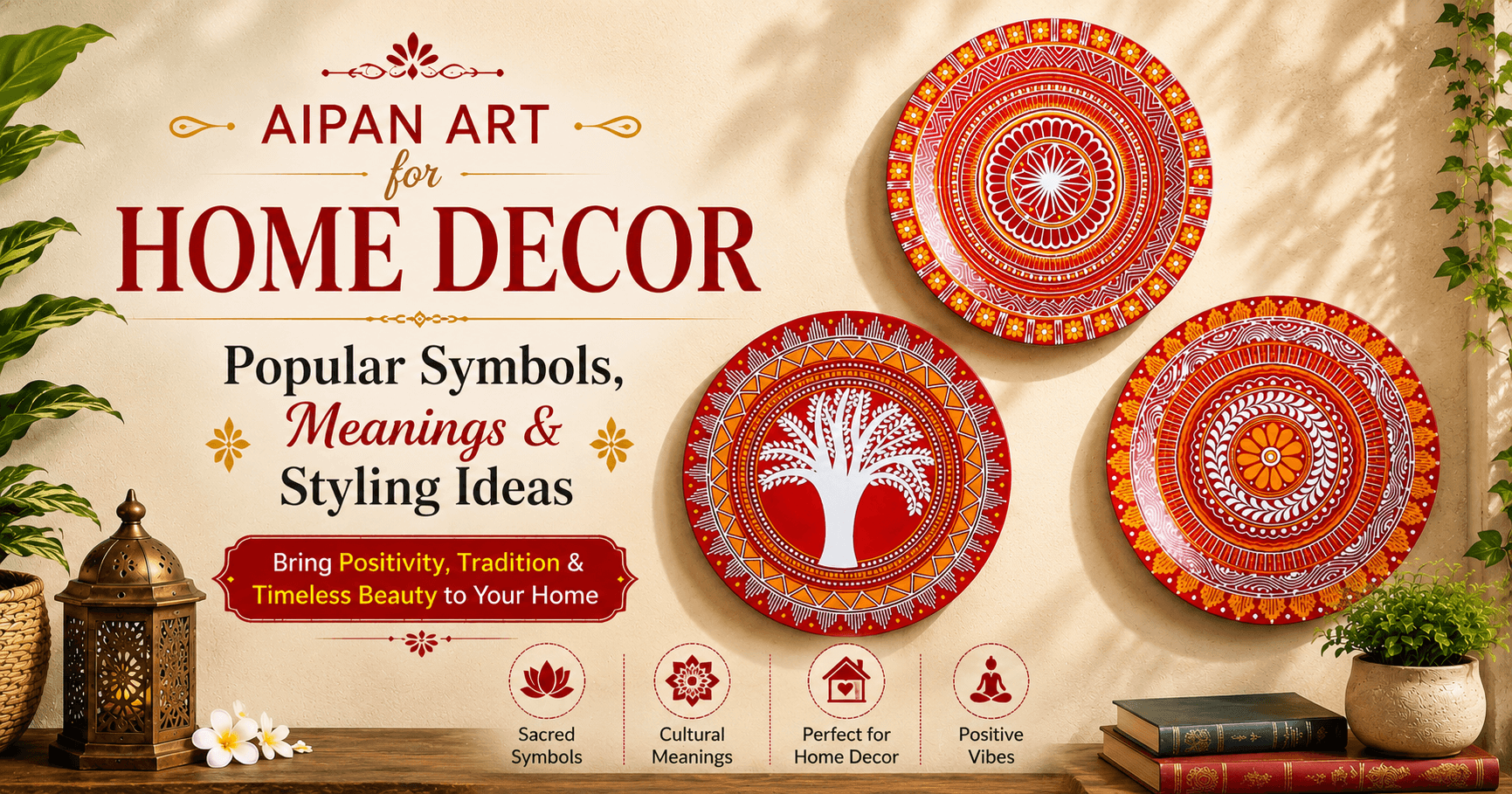


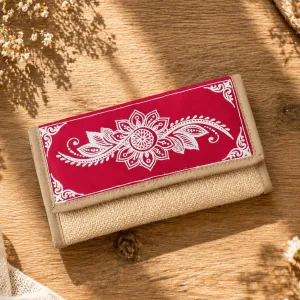


When you walk into a traditional Kumaoni home in Uttarakhand, the first thing that catches your eye is the striking red and white artwork adorning the thresholds, wooden doors, and courtyard floors. This ancient ritual folk art form, known as Aipan, has been passed down through generations of women for centuries.
Traditionally, Aipan was painted on floor entrances during auspicious festivals using red clay called Geru as the base and rice paste called Biswar for drawing complex geometric designs.
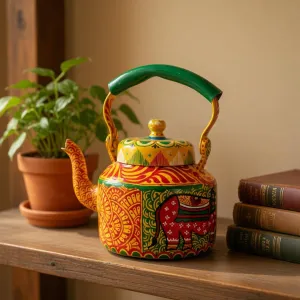
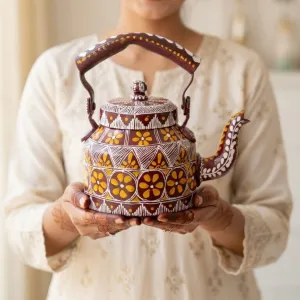
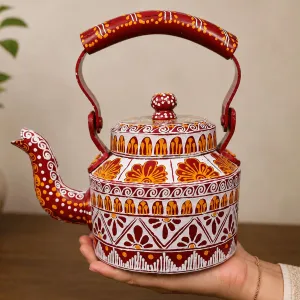
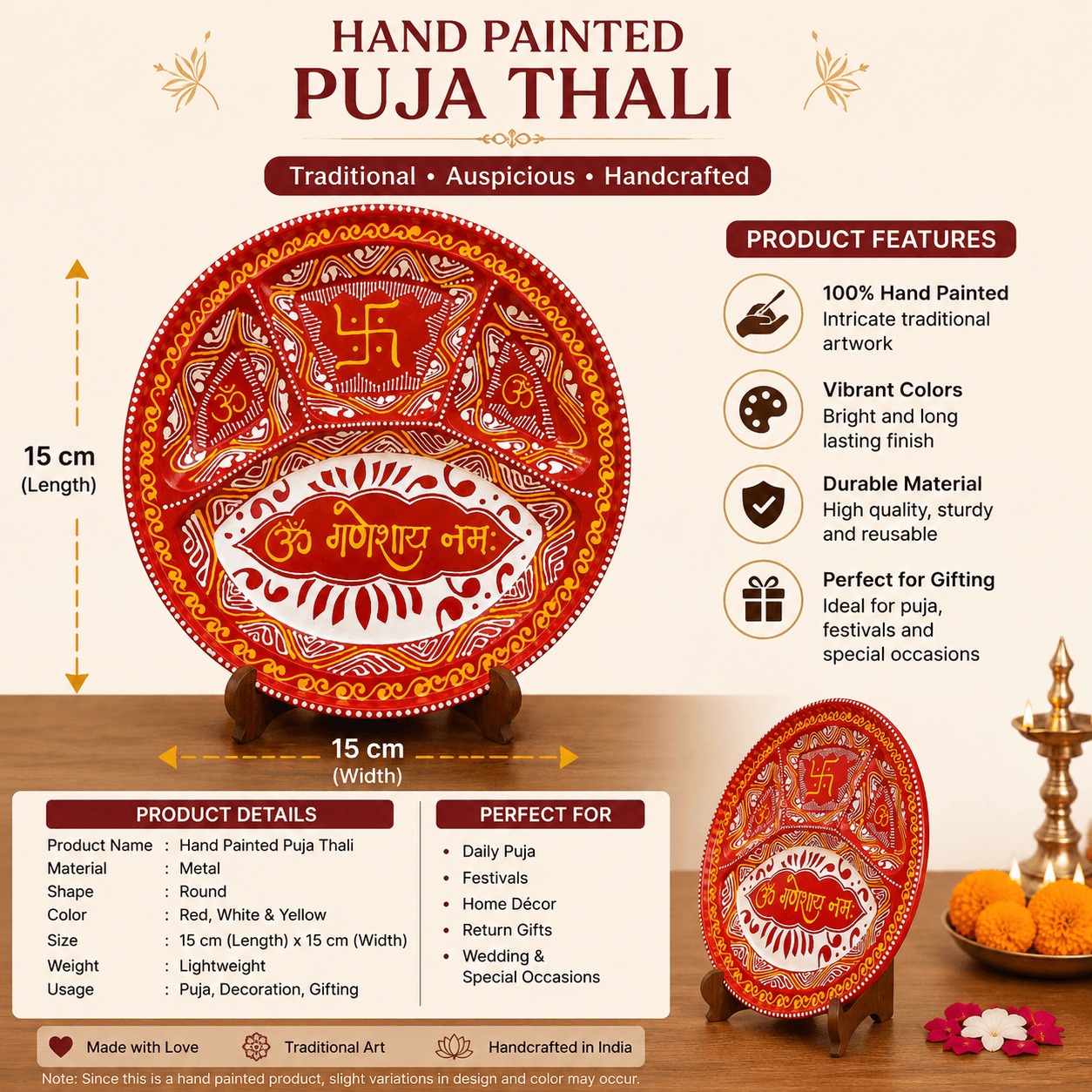
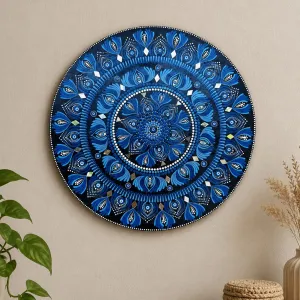
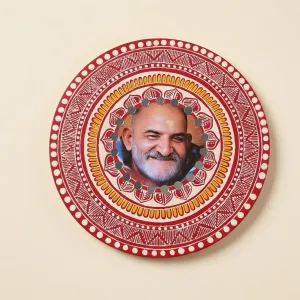
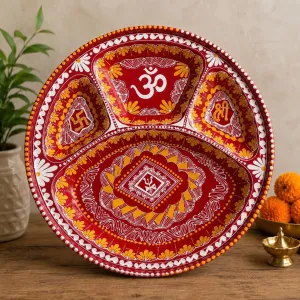
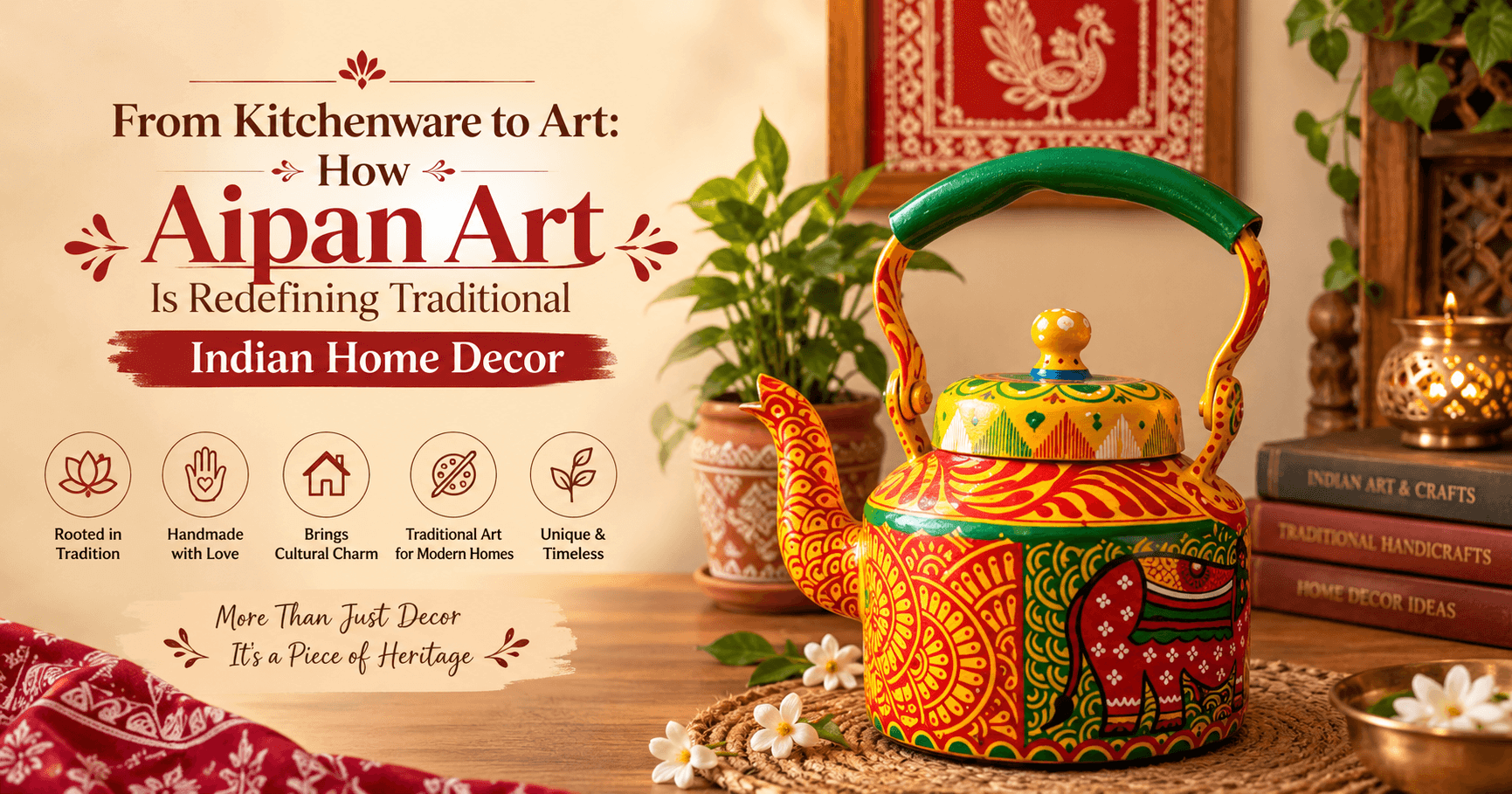
However, a beautiful cultural transformation is taking place in modern Indian interiors. Today, this sacred folk art is stepping beyond festive floor rituals and making its way onto wooden coasters, kitchenware, decorative trays, and wall accents.
Aipan art is redefining how we experience traditional Indian home decor, bringing sacred symbolism into our everyday living spaces.
1. The Heritage Behind the Red and White Motifs
Aipan is far more than just decorative painting. It is a spiritual practice deeply tied to nature, devotion, and good fortune.
Every line, dot, and floral pattern holds a specific sacred meaning. The bright red Geru base symbolizes the earth and passion, while the crisp white rice paste patterns represent purity, peace, and spiritual energy.
Traditionally created to welcome Goddess Lakshmi and keep negative vibes away, traditional Aipan art carries a sense of sacred warmth that mass-produced printed decor simply cannot replicate.
2. From Festival Floors to Everyday Kitchenware
One of the most exciting shifts in modern home styling is seeing folk art integrated into functional daily items. Instead of painting temporary motifs on the floor that wash away after a puja, artisans are now hand-painting Aipan designs onto durable kitchen and dining accents.
Traditionally, Aipan was painted on floor entrances during auspicious festivals using red clay called Geru as the base and rice paste called Biswar for drawing complex geometric designs.
However, a beautiful cultural transformation is taking place in modern Indian interiors. Today, this sacred folk art is stepping beyond festive floor rituals and making its way onto wooden coasters, kitchenware, decorative trays, and wall accents.
Aipan art is redefining how we experience traditional Indian home decor, bringing sacred symbolism into our everyday living spaces.
1. The Heritage Behind the Red and White Motifs
Aipan is far more than just decorative painting. It is a spiritual practice deeply tied to nature, devotion, and good fortune.
Every line, dot, and floral pattern holds a specific sacred meaning. The bright red Geru base symbolizes the earth and passion, while the crisp white rice paste patterns represent purity, peace, and spiritual energy.
Traditionally created to welcome Goddess Lakshmi and keep negative vibes away, traditional Aipan art carries a sense of sacred warmth that mass-produced printed decor simply cannot replicate.
2. From Festival Floors to Everyday Kitchenware
One of the most exciting shifts in modern home styling is seeing folk art integrated into functional daily items. Instead of painting temporary motifs on the floor that wash away after a puja, artisans are now hand-painting Aipan designs onto durable kitchen and dining accents.
- Aipan Handcrafted Wooden Coasters: Serving tea or coffee on wooden coasters painted with sacred Aipan motifs turns an ordinary tea break into a culturally rich experience.
- Decorative Trays and Serving Boards: Wooden trays featuring terracotta red and white geometric patterns add an instant rustic charm to dining tables.
- Aipan Key Holders and Wall Art: Hanging painted wooden boards near the entrance gives modern city apartments an authentic heritage feel right at the doorway.
Bringing Aipan art decor into functional household items allows us to celebrate our roots every single day, not just on special festival nights.
3. Why Modern Homeowners Are Falling in Love with Aipan
Contemporary home decor trends are moving away from cold, industrial minimalism toward warm, textured, and story-driven spaces. Modern Indian homeowners want spaces that reflect their cultural roots while looking chic and organized.
Handcrafted Aipan decor hits that exact sweet spot for several reasons:
3. Why Modern Homeowners Are Falling in Love with Aipan
Contemporary home decor trends are moving away from cold, industrial minimalism toward warm, textured, and story-driven spaces. Modern Indian homeowners want spaces that reflect their cultural roots while looking chic and organized.
Handcrafted Aipan decor hits that exact sweet spot for several reasons:
- Striking Color Contrast: The bold terracotta red and white palette adds a vibrant yet earthy pop of color against neutral walls, wooden furniture, and marble countertops.
- Eco-Friendly and Sustainable: Made using wood, natural pigments, and durable canvas bases, these pieces replace cheap plastic home accessories with conscious art.
- Handmade Soul: Because each piece is hand-painted by local artisans, no two items are identical. You are bringing a unique piece of human craftsmanship into your sanctuary.
4. Supporting Himalayan Artisans and Preserving Heritage
When you choose a handmade Aipan wall decor piece or wooden kitchen accessory, you are doing more than just styling your room. You are supporting women artisans from the Kumaon hills who are preserving this centuries-old art form.
By adapting Aipan to modern lifestyle products like coasters, wall hangings, and tea trays, these artisan communities can earn a sustainable livelihood while keeping their ancestral traditions alive and thriving in the digital age.
Final Thoughts
Home decor is at its best when it tells a meaningful story. The journey of Aipan from sacred mud floors to modern handcrafted kitchenware and living room art is a celebration of Indian heritage meeting contemporary living.
If you are looking to give your living space or kitchen a warm, sacred, and artistic upgrade, incorporating a few pieces of authentic Aipan home decor will fill your home with timeless beauty and positive energy.
When you choose a handmade Aipan wall decor piece or wooden kitchen accessory, you are doing more than just styling your room. You are supporting women artisans from the Kumaon hills who are preserving this centuries-old art form.
By adapting Aipan to modern lifestyle products like coasters, wall hangings, and tea trays, these artisan communities can earn a sustainable livelihood while keeping their ancestral traditions alive and thriving in the digital age.
Final Thoughts
Home decor is at its best when it tells a meaningful story. The journey of Aipan from sacred mud floors to modern handcrafted kitchenware and living room art is a celebration of Indian heritage meeting contemporary living.
If you are looking to give your living space or kitchen a warm, sacred, and artistic upgrade, incorporating a few pieces of authentic Aipan home decor will fill your home with timeless beauty and positive energy.